The winding roads through Los Gatos hills, Highway 17’s challenging commute, and the daily navigation through Silicon Valley traffic all put your vehicle’s windshield and windows to the test. A small rock chip from a gravel truck, a crack spreading from temperature fluctuations, or damage from an unexpected encounter can transform from minor annoyance to serious safety concern within days. For Los Gatos drivers, quality auto glass service isn’t just about restoring visibility—it’s about maintaining the structural integrity that protects you and your passengers during every journey.
Auto glass serves critical functions beyond simply keeping weather out. Modern windshields contribute significantly to vehicle structural strength, support airbag deployment, and house advanced driver assistance systems that many vehicles now depend upon. When damage occurs, professional repair or replacement becomes essential not just for clear vision but for comprehensive vehicle safety. Understanding auto glass services, repair versus replacement decisions, and what quality work entails helps Los Gatos drivers make informed choices that protect both their vehicles and their families.
Understanding Modern Auto Glass Technology
Today’s automotive glass differs dramatically from simple windows. Windshields use laminated safety glass—two glass layers bonded to a plastic interlayer that holds fragments together during impacts, preventing dangerous shards from injuring occupants. This construction also provides structural support during rollovers, prevents ejection during collisions, and creates the backstop against which passenger airbags deploy. Compromised windshield integrity affects all these critical safety functions.
Side and rear windows typically use tempered glass designed to shatter into small, relatively harmless pieces during breakage. This glass undergoes heat treatment creating internal stresses that provide strength while ensuring safe fragmentation patterns. Some luxury vehicles use laminated side glass for enhanced security and sound insulation, requiring specialized replacement procedures and materials.
Advanced driver assistance systems (ADAS) add complexity to modern windshield replacement. Cameras, sensors, and heads-up display projectors mounted to or near windshields require precise calibration after glass replacement. Even slight positioning variations affect system accuracy, potentially compromising features like lane departure warnings, automatic emergency braking, or adaptive cruise control. Professional auto glass services include necessary recalibration ensuring these systems function as designed.
Acoustic windshields in premium vehicles incorporate additional sound-dampening layers reducing road noise and enhancing cabin comfort. Heated windshields contain wire elements for rapid defrosting. Rain-sensing wipers depend on sensors mounted to glass. Replacing these specialized windshields requires matching original specifications and properly integrating all features—work demanding expertise beyond basic glass replacement.
Repair vs. Replacement: Making the Right Decision
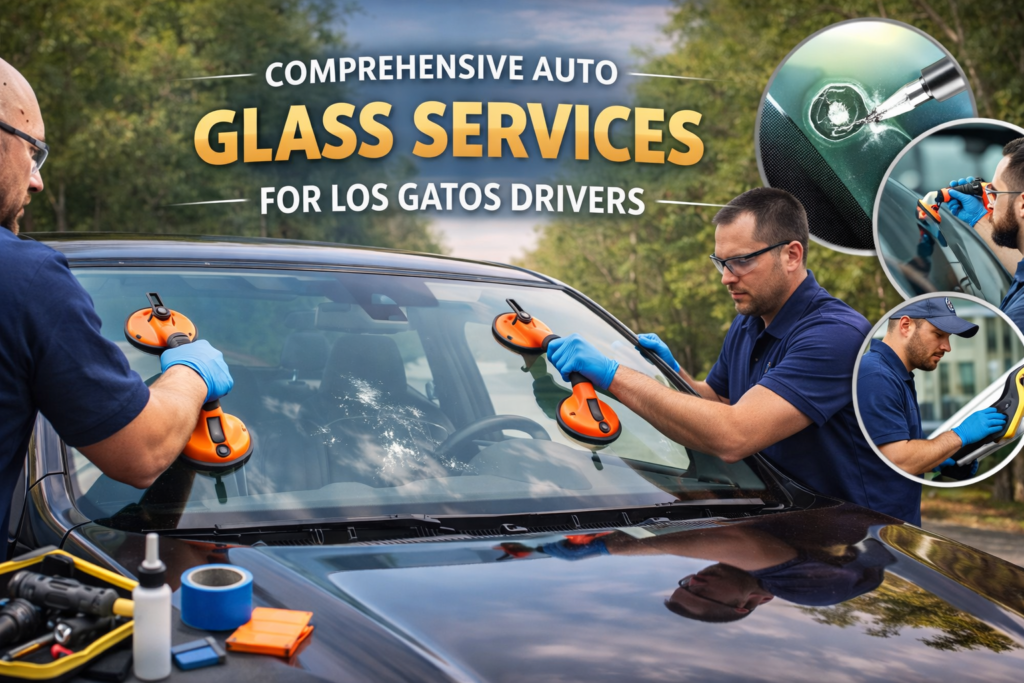
Windshield chips smaller than a quarter and cracks shorter than three inches can often be repaired effectively through resin injection techniques. This process involves cleaning the damage, creating vacuum to remove air and moisture, injecting specialized resin that bonds to glass and cures to optical clarity under UV light. Quality repairs restore structural integrity while preventing damage spread, all at a fraction of replacement cost and time.
Repair limitations depend on damage characteristics and location. Chips directly in driver’s sightline may not repair to acceptable clarity even when technically repairable. Damage reaching windshield edges compromises structural integrity too severely for reliable repair. Multiple chips in close proximity or complex star breaks may exceed repair capabilities. Professional technicians assess damage honestly, recommending repair when appropriate but replacement when safety demands it.
Replacement becomes necessary when damage exceeds repair parameters, affects driver visibility, or compromises windshield structural integrity. Cracks extending beyond repair length limits, damage in critical vision areas, or chips penetrating both glass layers all require replacement. Windshields with extensive pitting from years of road debris may also benefit from replacement during other repair opportunities, eliminating ongoing visibility degradation.
Insurance coverage often influences repair versus replacement decisions. Most comprehensive policies cover windshield repairs without deductibles, recognizing that preventing crack spread through timely repair costs less than eventual replacement. Replacements typically require deductible payment unless damage resulted from covered perils. Professional auto glass shops handle insurance claims directly, navigating coverage questions and paperwork to simplify the process for customers.
The Professional Replacement Process
Quality windshield replacement begins with proper vehicle preparation and old glass removal. Technicians protect interior surfaces, carefully cut adhesive bonds, and remove damaged windshields without damaging pinchweld—the metal frame to which new glass bonds. Rushed removal damages pinchweld requiring expensive repairs before new glass installation can proceed properly.
Pinchweld preparation determines installation quality and longevity. Technicians remove old adhesive to proper depth—leaving appropriate base for new adhesive bonding while ensuring uniform thickness. They clean surfaces thoroughly, removing contaminants that prevent proper adhesive curing. Primers appropriate to vehicle paint and glass type get applied ensuring maximum bond strength. Shortcuts during preparation create leaks and premature adhesive failure requiring reinstallation.
Glass selection affects both cost and performance. Original Equipment Manufacturer (OEM) glass matches factory specifications exactly, ensuring proper fit and optical quality. Aftermarket glass meeting Department of Transportation standards costs less while still providing safe, functional performance. Some aftermarket options match OEM quality while others represent economy alternatives with acceptable but not premium characteristics. Reputable shops explain differences honestly, allowing customers to make informed decisions based on priorities and budgets.
Adhesive application and glass installation require precision and care. Technicians apply urethane adhesive in consistent beads providing specified thickness and coverage. They position glass accurately using alignment marks and specialized tools, then secure it while adhesive cures. Proper installation achieves weathertight seals and structural bonding meeting or exceeding factory specifications. Quality shops don’t rush this process—adequate cure time ensures safe vehicle return.
Why Los Gatos Drivers Need Local Expertise
Los Gatos’ unique geography creates specific auto glass challenges. Highway 17’s steep grades and sharp curves generate rock chips from gravel trucks and commercial vehicles. Mountain roads through areas like Lexington Reservoir expose windshields to debris and environmental hazards. The commute to Silicon Valley workplaces subjects vehicles to heavy traffic where following distances shrink and road debris becomes unavoidable.
Climate variations between valley floor and hillside communities affect glass damage patterns and repair urgency. Temperature differentials cause existing chips to crack and spread. Sudden weather changes create thermal stress on already-compromised glass. Local auto glass professionals understand these regional factors, advising customers on repair urgency and preventive measures specific to Los Gatos driving conditions.
A trusted auto glass shop losgatos brings familiarity with vehicles common in this affluent community—luxury brands, high-end imports, and premium models requiring specialized glass and advanced calibration. They maintain relationships with parts suppliers ensuring rapid access to diverse glass types and trim components. This expertise and inventory access speeds service while ensuring quality outcomes regardless of vehicle make or model.
Mobile service capabilities prove particularly valuable for Los Gatos residents. Many auto glass shops offer on-site service at homes or workplaces, eliminating the inconvenience of shop visits. Technicians arrive equipped to perform complete replacements or repairs at customer locations, a convenience especially appreciated by busy professionals or families managing multiple priorities.
Insurance Claims and Coverage Navigation
Comprehensive auto insurance typically covers glass damage from road debris, vandalism, or weather events. Understanding your policy’s glass coverage provisions helps maximize benefits while minimizing out-of-pocket costs. Many policies waive deductibles for windshield repairs, recognizing that early intervention prevents more expensive replacements. Some policies include full glass coverage with no deductible even for replacements.
Professional auto glass shops handle insurance claims as standard service, contacting insurers directly to verify coverage, obtain approvals, and submit claims on customers’ behalf. This service eliminates customer involvement in claims processes—shops manage all communication and paperwork. Customers typically need only provide insurance information and authorize the work.
Choosing repair shops shouldn’t be dictated by insurance company recommendations alone. While insurers may suggest specific providers, California law guarantees your right to choose any licensed shop regardless of insurer preferences. Some insurance-preferred shops deliver excellent service, but choosing based on shop reputation, expertise, and customer service rather than solely insurance relationships often yields better experiences and outcomes.
After-market versus OEM glass sometimes becomes an issue with insurance claims. Some insurers prefer lower-cost aftermarket glass to reduce claim expenses. However, customers can typically request OEM glass and pay the difference if insurers won’t cover the full cost. Understanding these options before approving work prevents surprises and ensures you receive glass meeting your quality expectations.
Safety Considerations and Vehicle Integrity
Windshield structural contribution to vehicle safety cannot be overstated. In rollover accidents, windshields prevent roof collapse that would otherwise crush occupants. During frontal collisions, properly installed windshields keep passengers inside vehicles where safety systems can protect them. Compromised windshields or improper installation severely reduces these protective capabilities.
Airbag deployment depends on windshield integrity in many vehicles. Passenger airbags deploy upward then forward, using windshields as backstops to direct protection toward occupants. Weak adhesive bonds or improper installation can allow windshields to blow out during deployment, sending airbags through openings rather than protecting passengers. This makes proper installation not just about preventing leaks but ensuring life-saving systems function as designed.
ADAS calibration ensures advanced safety systems operate correctly after windshield replacement. Camera positions, mounting angles, and alignment all affect system accuracy. Miscalibrated systems may fail to detect obstacles, warn of lane departure, or activate automatic braking—defeating safety technologies drivers depend upon. Professional shops include calibration services when replacing windshields in ADAS-equipped vehicles, using manufacturer-specified procedures and equipment.
Vehicle value protection justifies quality auto glass service for many owners. Improper repairs or substandard replacements reduce resale values and may create issues during pre-purchase inspections. Quality work maintains vehicle condition and documentation—receipts showing proper OEM glass installation and ADAS calibration reassure future buyers that safety systems function correctly.
Recognizing Quality Auto Glass Service
Certifications indicate technical competence and professional standards. Auto Glass Safety Council (AGSC) certification demonstrates technician training in proper installation procedures. National Glass Association (NGA) membership suggests commitment to industry best practices. Original equipment manufacturer certifications for specific brands indicate expertise with those vehicles’ unique requirements. These credentials don’t guarantee perfect work but indicate professional commitment exceeding minimum requirements.
Warranty coverage reveals shop confidence in their work. Comprehensive warranties covering both materials and labor for extended periods—ideally lifetime of ownership—demonstrate quality commitment. Limited warranties or short coverage periods may signal corners cut during installation or inferior materials used. Understanding warranty terms before approving work protects you if problems emerge later.
Facility quality and equipment investment indicate professional operations. Shops with clean, organized facilities typically maintain similar standards in their work. Specialized tools for adhesive application, glass positioning, and ADAS calibration demonstrate capability to perform complete, proper installations. Mobile service units should carry equivalent equipment ensuring field installations match shop quality.
Customer communication separates exceptional service from adequate work. Quality shops explain damage assessment findings, discuss repair versus replacement recommendations with supporting rationale, and review insurance coverage implications. They provide accurate time estimates and cost breakdowns before starting work. During installation, they explain cure time requirements and any use restrictions. This transparency builds trust and ensures customers understand what they’re receiving.
Maintaining Your Auto Glass Investment
Regular windshield inspection helps identify minor damage before it spreads. Check for small chips or cracks monthly, particularly after highway driving or following gravel trucks. Early detection allows repair before damage grows beyond repair parameters, saving money while maintaining original glass whenever possible.
Proper cleaning techniques prevent scratching that degrades visibility over time. Use glass-specific cleaners and microfiber cloths rather than paper towels that can scratch. Replace wiper blades before they wear enough to scratch glass during operation. Avoid abrasive cleaners or tools that damage glass coatings like rain-repellent treatments or defrost elements.
Temperature management protects windshields from thermal stress that can propagate existing damage. Avoid extreme temperature changes like blasting defrosters on frozen windshields or pouring hot water to melt ice. These thermal shocks can cause chips to crack or cracks to spread rapidly. Gradual temperature changes prove gentler on glass, especially when minor damage exists.
Parking considerations minimize damage risks in daily life. Choose covered parking when available, protecting glass from falling debris, hail, and vandalism. Park away from construction zones, tree trimming operations, and other activities generating airborne debris. When following trucks carrying gravel or construction materials, increase following distance substantially—most windshield damage comes from debris ejected by vehicles ahead.
Your vehicle’s glass protects you during every journey through Los Gatos’ scenic but challenging roads. Professional service ensures this critical safety component performs exactly as designed.
Frequently Asked Questions
How long does windshield replacement take? Professional replacement typically requires 1-2 hours for the installation process. However, adhesive cure time before safe vehicle operation varies by adhesive type and weather conditions—typically 1-4 hours minimum. Technicians provide specific safe-to-drive times based on conditions and materials used.
Can I drive immediately after windshield repair? Yes, chip and crack repairs cure under UV light during the service appointment. Once repairs complete and excess resin is polished, vehicles are immediately safe to drive with no restrictions or waiting periods required.
Will my insurance rates increase after a glass claim? Glass claims typically don’t affect insurance rates as they’re considered comprehensive claims rather than at-fault accidents. However, claim frequency can impact rates regardless of claim type. Verify with your specific insurer how glass claims affect your policy.
Do I need ADAS recalibration after every windshield replacement? Vehicles equipped with cameras or sensors mounted to or near windshields typically require recalibration after replacement. Not all vehicles have these systems—technicians assess your specific vehicle and inform you if calibration is necessary.
How can I prevent windshield damage? Increase following distance especially behind trucks, avoid driving directly behind gravel haulers, use covered parking when possible, and address small chips immediately before they spread. While some damage is unavoidable, these practices significantly reduce risk.