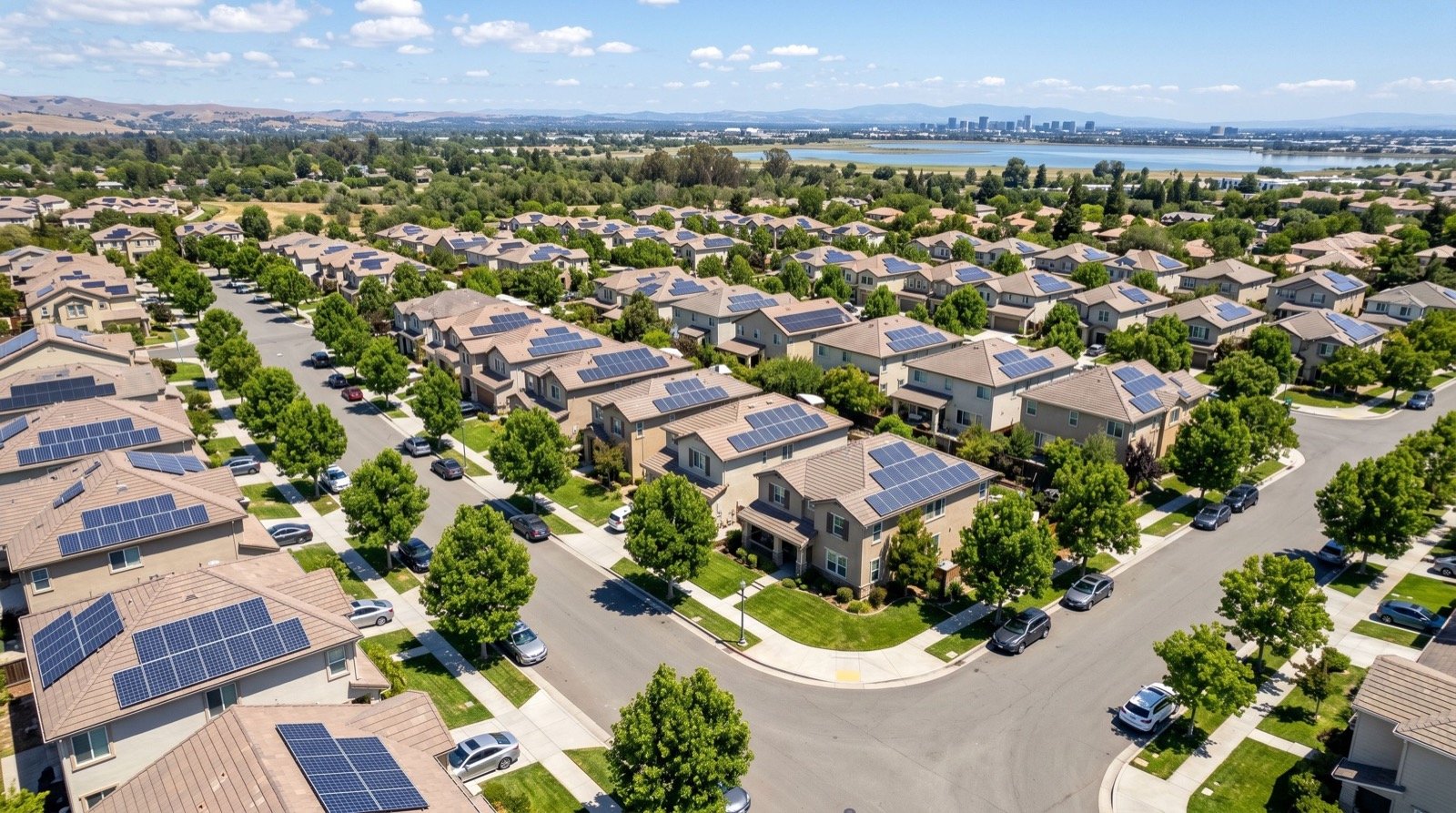
Buying a first home in Pakistan’s twin cities has always carried a particular kind of pressure. For most families in Rawalpindi and Islamabad, it is the single largest financial decision of a lifetime, and the traditional route — buy a plot, wait years, then build room by room as savings allow — stretches that decision across a decade or more. Along the way come contractor disputes, material price spikes, and the quiet exhaustion of living in a rented house while your own sits half-finished behind a boundary wall.
That is why a growing number of first-time buyers are skipping the plot-then-build marathon entirely and going straight for a ready-built or under-construction villa in a planned community. The math has shifted, the product has improved, and compact villas in particular have become a realistic entry point for salaried households. This guide walks through how that decision actually plays out in practice, what a compact villa really gives you, and how to structure the purchase so it strengthens your finances instead of straining them.
Why the First Home Decision Feels So Heavy
First-time buyers face a problem that seasoned investors do not: they cannot afford to be wrong. An investor who overpays on one plot can average out across a portfolio. A young family putting eight or ten years of savings into a single property has no such cushion. Every rumor about a project’s approvals, every story about a society that stalled mid-development, lands with full weight.
The heaviness also comes from information asymmetry. Dealers know the market; buyers usually do not. Prices for the same category of property can vary sharply between phases of the same project, and a newcomer has little way of knowing whether a quoted rate reflects genuine demand or a marketing push. The antidote is not more anxiety — it is a structured way of evaluating what you are buying, which the rest of this article tries to provide.
The Case for Buying Ready-Built Instead of Constructing
Self-construction looks cheaper on paper because you only see the plot price at the start. The full picture includes grey-structure costs, finishing costs, utility connections, architect and approval fees, and — the item nobody budgets honestly — years of rent paid while construction crawls forward. Add the time cost of supervising labor and chasing contractors, and the “savings” of building yourself often evaporate.
A ready-built villa compresses all of that into one transparent number. You can inspect the actual finish quality before paying, move in or rent it out immediately, and start living in the community rather than waiting for it to form around an empty plot. For a first purchase, that certainty is worth a great deal. In projects along the Rawalpindi–Islamabad corridor, well-designed 5 Marla Villas have become the reference product for exactly this kind of buyer: compact enough to be affordable, complete enough to skip the construction ordeal altogether.
What a Compact Villa Actually Gets You
A 5 marla footprint — roughly 125 square yards — sounds modest until you see how modern layouts use it. A double-storey design on this size typically yields three to four bedrooms, an open-plan lounge and kitchen, attached bathrooms, and a small lawn or car porch. For a household of four to six people, that is genuinely comfortable living, not a compromise.
The compact size also works in your favor financially. Utility bills stay manageable, maintenance is limited, and — crucially for a first buyer — the resale market for this category is the deepest in the region. When you eventually upgrade, a well-kept compact villa in a functioning community sells faster than almost any other residential product, because the pool of buyers who can afford it is the largest.
Counting the Real Cost Before You Commit
Before signing anything, build a complete cost sheet rather than relying on the headline price. Include the booking amount, all installments, possession charges, utility connection fees, documentation and transfer costs, and any development charges the society levies separately. Ask the sales office for the schedule in writing and total it yourself.
Then stress-test that total against your income. A useful discipline is to cap all property-related outflows at around a third of reliable monthly household income, leaving room for rent (if you have not moved in yet), schooling, and emergencies. Reviewing the official Silver City payment Plan is a good exercise even if you are comparing several projects, because it shows how a well-structured schedule spreads the burden across booking, monthly installments, and possession rather than front-loading it.
Making Installments Work on a Salary
Installment purchases reward boring consistency. Set up the payment as a standing instruction the day after salary lands, so the installment is treated as a fixed obligation rather than whatever is left at month’s end. Keep two to three installments’ worth of buffer in a separate account; construction-linked plans occasionally see charges bunch together, and a buffer prevents a single tight month from turning into a default notice.
Resist the temptation to book a larger unit than your buffer supports. A comfortably paid compact villa builds equity and credit-worthiness; an oversized commitment that slips into late payments can cost you surcharges and, in the worst cases, the allotment itself. First homes are won by finishing the schedule, not by starting an ambitious one.
Questions to Ask Before You Sign
Treat the sales office visit as an interview, not a pitch session. Ask who the developer’s previous projects are and go see one. Ask which authority has approved the layout plan and request the reference number. Ask what happens to your paid installments if you need to exit early, and what the transfer fee will be if you sell before possession. Ask whether the villa price includes utility connections and possession charges or whether those arrive later as separate demands.
It also pays to bring guidance you trust. Buyers who navigate the process with an experienced local team — people who know the corridor, the developers, and the paperwork — consistently avoid the traps that catch buyers relying on a single dealer’s word. A second opinion on price and documentation costs little and has saved many families from expensive mistakes.
Key Takeaways
- Self-construction hides years of rent, supervision, and cost overruns; a ready-built villa turns the purchase into one transparent, inspectable number.
- A modern 5 marla double-storey layout comfortably houses a family of four to six and enjoys the deepest resale market in the twin cities.
- Total every cost — booking, installments, possession, utilities, transfer — before committing, and keep property outflows near a third of household income.
- Maintain a buffer of two to three installments and automate payments; finishing the schedule matters more than starting a bigger one.
- Verify approvals, visit the developer’s past projects, and get independent local advice before signing.
Conclusion
The first home does not need to be the biggest home, and it certainly does not need to be a decade-long construction project. For salaried families in Rawalpindi and Islamabad, a compact ready-built villa in a planned, approved community offers something the plot-and-build route rarely delivers: a known price, a known move-in date, and a known quality of life from day one.
Approach it the way this guide suggests — cost sheet first, income stress-test second, documentation checks third — and the purchase becomes a disciplined financial decision rather than a leap of faith. Do that, and your first villa will not just shelter your family; it will quietly become the strongest asset on your balance sheet.